How to Solve Multiple-Choice Questions More Efficiently
Read the stem first, predict what a correct answer should include, and compare options one at a time.
Clear strategies for reading questions, narrowing choices, managing time, and checking your work—plus study methods that help ideas stick.
38 practical guides · 5 learning categories

Read the stem first, predict what a correct answer should include, and compare options one at a time.

Check the complete statement, especially absolute terms and small exceptions that can make it inaccurate.

Scan both lists, identify confident pairs, and use each match to narrow the remaining possibilities.

Use grammar, context, and subject knowledge to work out what kind of word or idea belongs in the gap.
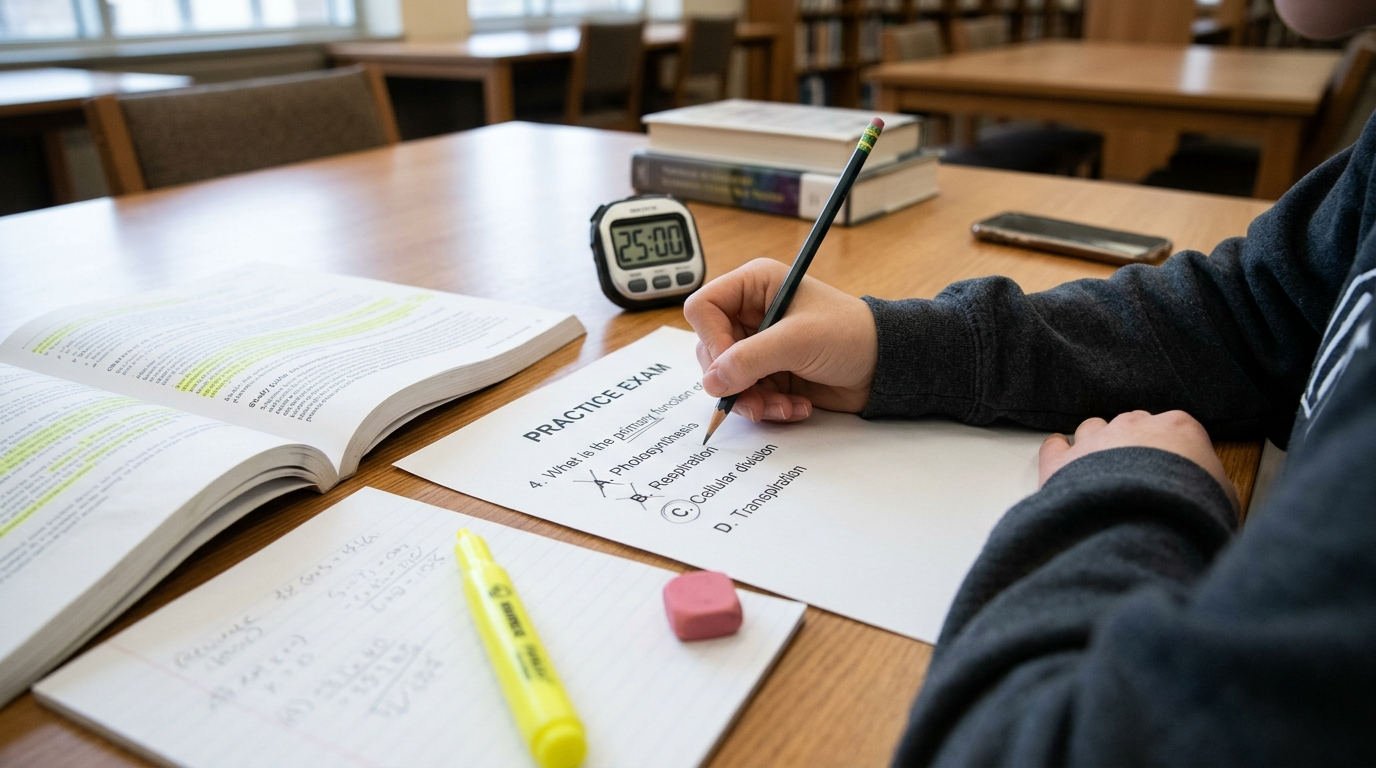
Find the starting point, connect cause and effect, and check that every step follows a logical order.

Answer the exact prompt first, include the essential detail, and keep each response focused.

Compare every option with the question, rule out clear mismatches, then review the strongest remaining choice.
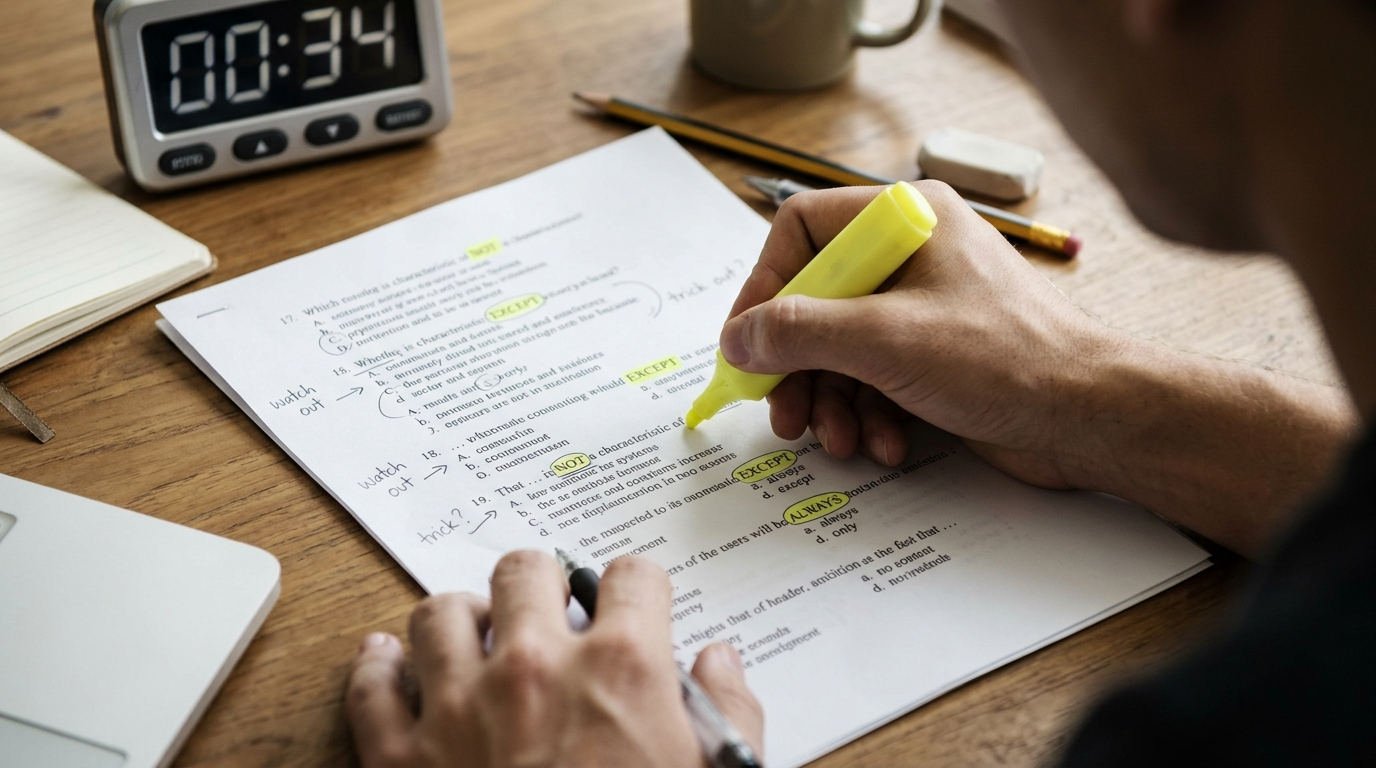
Set a steady pace, notice the time left, and reserve a final pass for questions that need another look.

A planned second pass can protect your momentum and give difficult questions the attention they deserve.

Look for qualifiers, comparison words, units, and small phrases that change the meaning of a prompt.

Use a repeatable review routine to catch skipped items, misread wording, and answers that do not match the evidence.

Use what you know, test each option against the prompt, and make a considered choice instead of a random one.

Read labels, units, and scales before comparing values or drawing a conclusion from a visual.

Pause at words such as not, except, and least, then restate the prompt in your own words.

Close the notes, retrieve the idea from memory, and check what you recalled against the source.
Browse all 38 guides and choose a skill to practise today.
Spread short review sessions across the days before a quiz so key ideas return before they fade.
READ THE GUIDE →Treat practice questions as feedback: sort misses by topic and decide what to revisit next.
READ THE GUIDE →Alternate related topics during revision to practise choosing the right method for each problem.
READ THE GUIDE →Convert headings, definitions, examples, and diagrams into prompts that make you retrieve the main idea.
READ THE GUIDE →Focused preparation for your next classroom quiz


Put the reasoning into your own words to reveal whether you understand the idea or only recognize it.

Build a realistic rhythm of short reviews, practice questions, and time to reflect on mistakes.

Use vivid images, location cues, and visual associations to give important information more retrieval paths.

Practise retrieving a formula, naming its parts, and choosing the right situation to apply it.

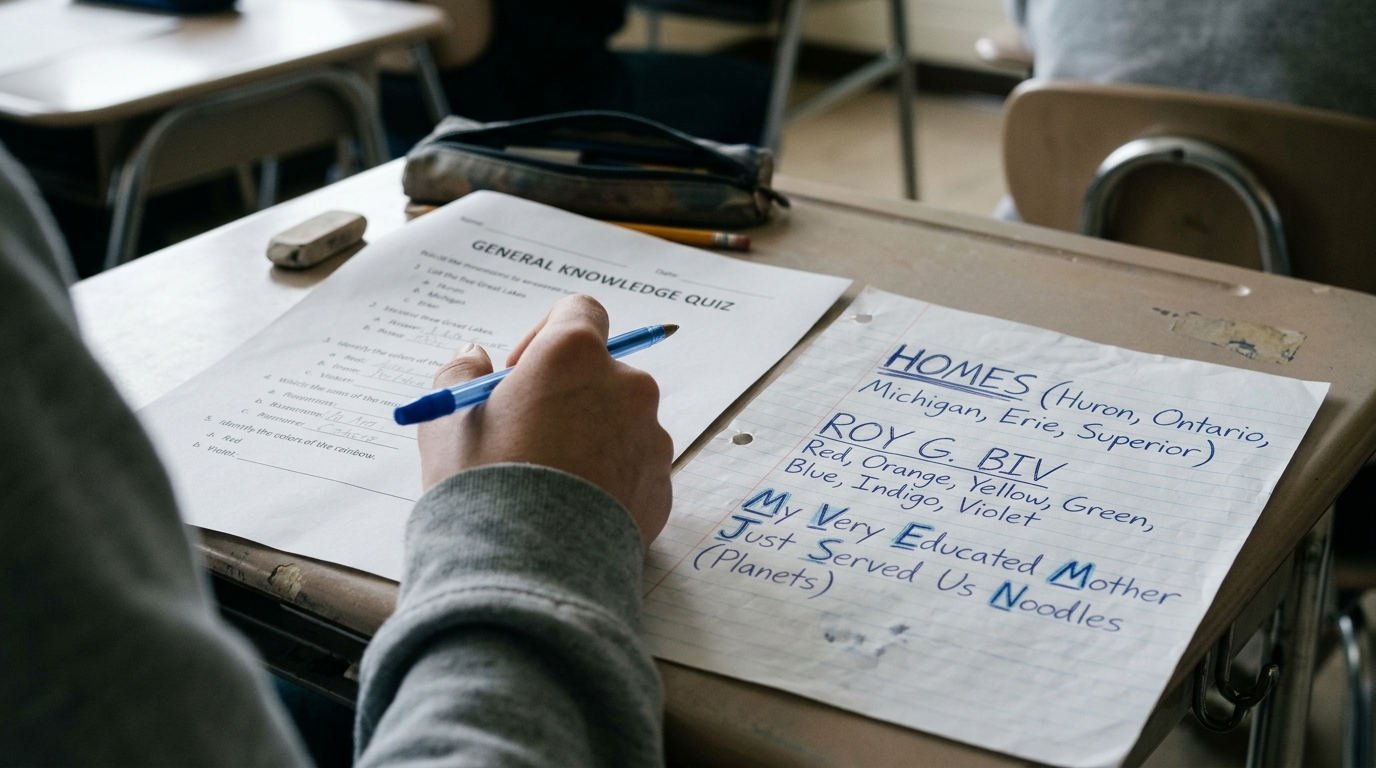
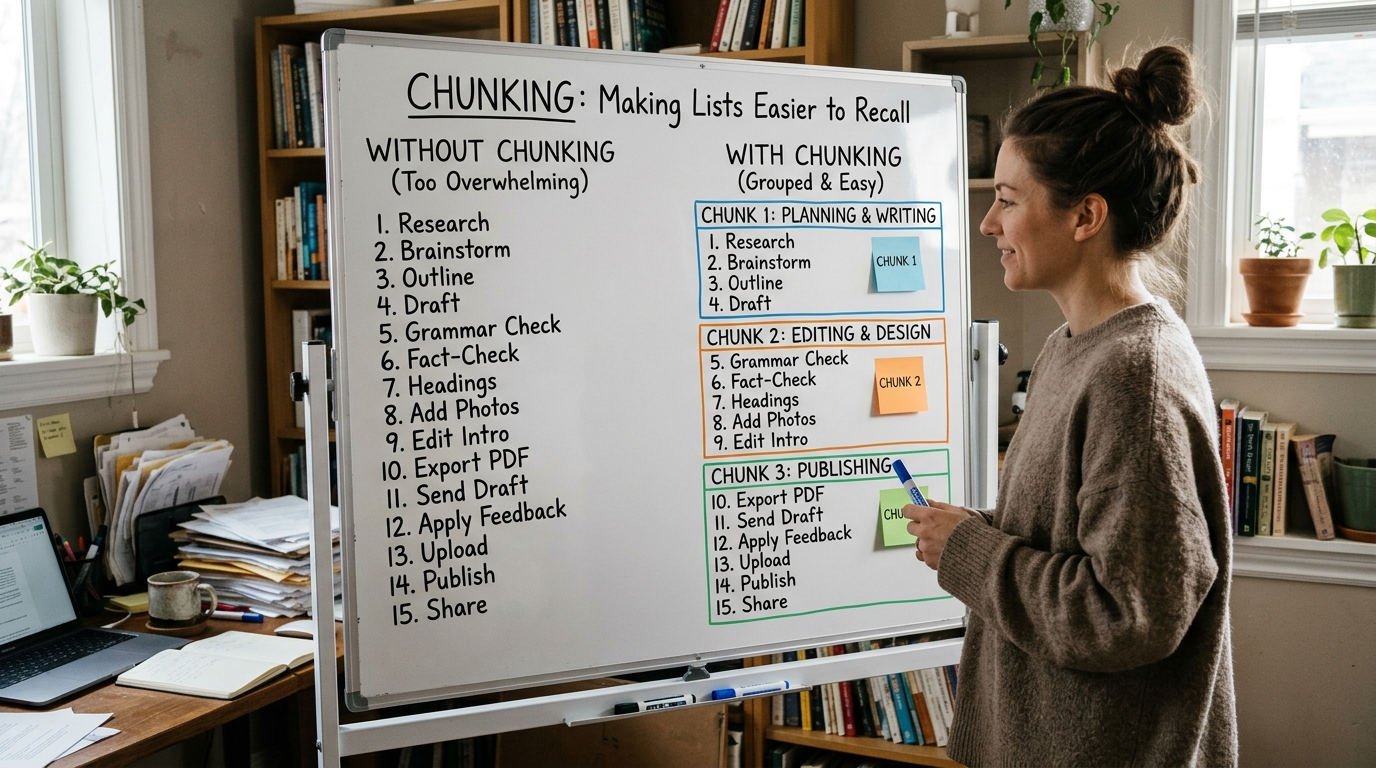
Attach each item to a familiar place and mentally walk the route to retrieve the sequence.
Expert-backed routines for the days before and during a quiz
More preparation tips →
Prioritize high-value topics, practise representative questions, and leave room for a final review.

Turn the syllabus into a practical checklist of concepts, question types, and tasks to revisit.

Find the reason behind each missed answer and turn the correction into a new practice prompt.
Plan ahead, review well, and feel ready to begin

Use a calm, repeatable routine to settle your attention and begin with a clear plan.

Use recent practice results to choose a useful goal and track the habits that support it.
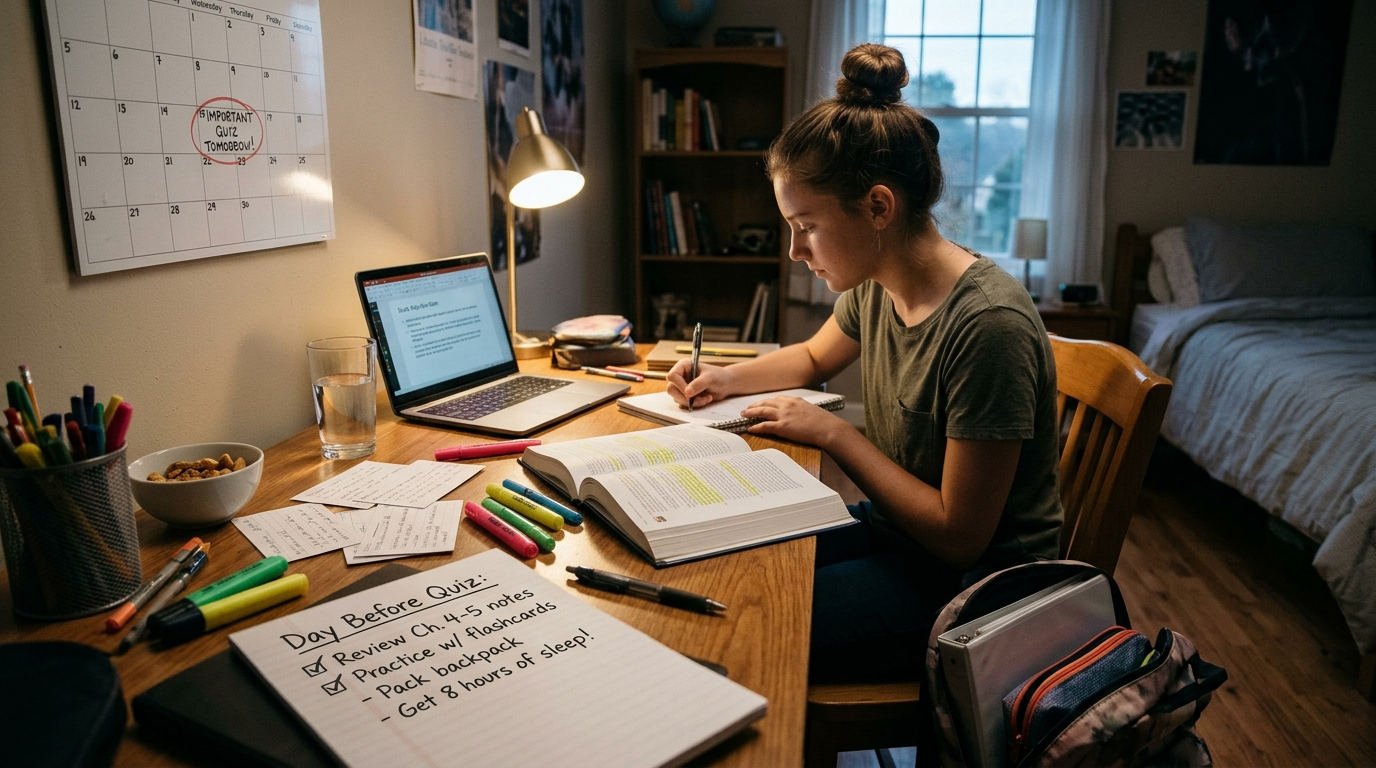
Review your summary notes, prepare what you need, and protect time for rest before quiz day.

Give an AI tool a topic, level, and format, then verify each generated answer against trusted notes.
Simple frameworks to make independent learning more effective
Explore resources →Plan a focused study block, take a short break, and return with one clear revision goal.

Map connections between concepts and test whether you can explain them.
Read the stem first, predict what a correct answer should include, and compare options one at a time.
Build a realistic rhythm of short reviews, practice questions, and time to reflect on mistakes.
Tell us which quiz topic is giving you trouble, share an idea for a new study guide, or ask a question about our articles. We'd be glad to hear from you.
Or write to admin@joinmyquiz.us